The Most Common Septic Problems Homeowners Face
Homeowners facing common septic problems often need replacement or repair services, which local contractors and service providers can efficiently handle to restore proper function.
Homeowners in the area who rely on septic systems often encounter common issues that can disrupt household convenience and comfort. Recognizing the signs of these problems early can help prevent more extensive damage and costly repairs down the line. Whether it’s slow drainage, foul odors, or frequent backups, understanding these typical septic concerns is key to maintaining a well-functioning system. Exploring this topic can provide practical insights into when professional septic repair or replacement services might be needed, ensuring property owners can address issues promptly and effectively.
Local contractors who specialize in septic system services are equipped to handle these common problems with solutions tailored to each property’s needs. From diagnosing the root causes of recurring issues to performing necessary repairs or replacements, these service providers play a vital role in keeping septic systems operating smoothly. Staying informed about the most frequent septic problems can help homeowners decide when to seek expert assistance, making it easier to protect their property and avoid more serious complications down the road.
- Septic tank replacement - needed when a septic system fails due to age or damage, and local contractors can evaluate the system and install a new tank.
- Septic tank repair - required when issues like leaks or clogs occur, with service providers diagnosing the problem and performing necessary fixes.
- Drainfield replacement - necessary if the drainfield becomes saturated or fails, with local pros assessing soil conditions and installing a new absorption area.
- Pump chamber repair - needed when the pump malfunctions or stops working, with technicians inspecting and repairing or replacing the pump components.
- Septic system troubleshooting - essential when symptoms like backups or odors appear, with service providers identifying the root cause and recommending repair or replacement options.
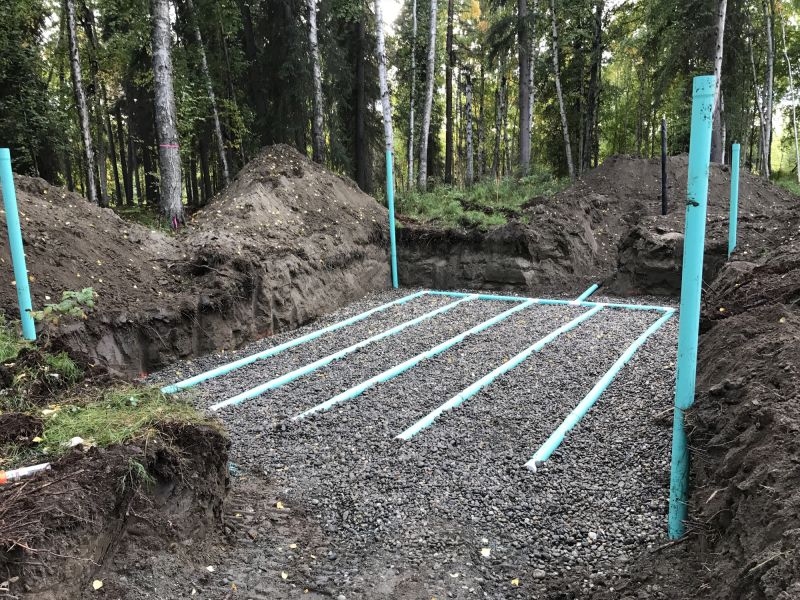
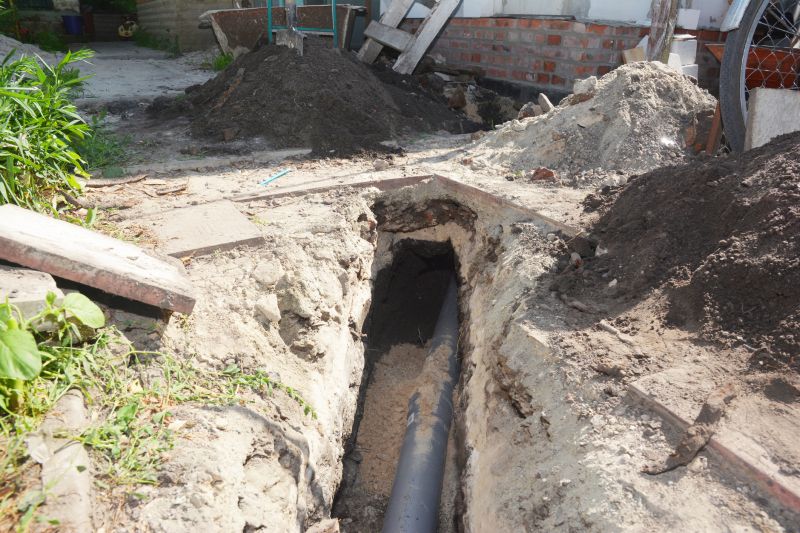
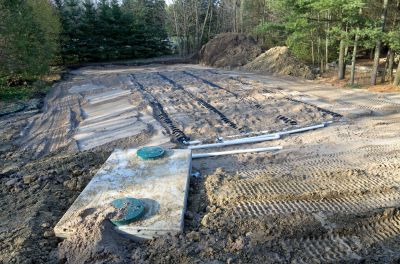
The most common septic problems homeowners face often stem from issues related to the system’s age, design, or maintenance history. When people search for this topic, they typically want to understand why their septic system might be malfunctioning or showing signs of trouble. Common concerns include foul odors, slow drains, sewage backups, and standing water around the septic tank or drain field. These issues can indicate underlying problems such as clogged pipes, damaged components, or failing drain fields. Recognizing these symptoms early can help homeowners determine whether repairs or a full replacement might be necessary, and local contractors specializing in septic services can provide the expertise needed to diagnose and address these problems effectively.
Septic system problems are often connected to the type and condition of the property involved. Most frequently, these issues occur on residential properties with private septic tanks, especially those with older systems or irregular maintenance routines. Homes in rural or semi-rural areas are more likely to rely on septic systems rather than municipal sewer connections, making them more susceptible to these common issues. Additionally, properties with large families or high water usage tend to experience more stress on the system, increasing the likelihood of problems like leaks, overflows, or system failure. Understanding the property’s specific setup helps homeowners and local service providers develop appropriate plans for repair or replacement, ensuring the system functions reliably and prevents costly damage.
The types of problems encountered with septic systems can vary widely but often include clogged or broken pipes, failing drain fields, and corroded tanks. Clogs may result from accumulated sludge or foreign objects that restrict flow, leading to backups and slow drainage. Drain field failure can occur when the soil becomes saturated or the system is not properly maintained, causing effluent to surface or pool around the property. Tank issues, such as cracks or corrosion, may cause leaks or contamination risks. These common problems are often interconnected and require the attention of experienced septic repair or replacement specialists who can assess the condition of the system and recommend the most suitable solution. Proper diagnosis and timely intervention help prevent more extensive damage and restore system functionality.
Many properties that face septic system issues are residential homes, especially those in areas where municipal sewer lines are unavailable or impractical to install. These properties typically have individual septic tanks that serve as a primary waste management system. Commercial properties or multi-unit residential buildings with their own septic setups can also encounter similar problems, often complicated by higher waste volumes or complex system designs. Regardless of property type, understanding the common septic problems homeowners face emphasizes the importance of regular inspections and maintenance. Local contractors experienced in septic repair and replacement are equipped to handle a range of issues, from minor repairs to complete system overhauls, helping property owners maintain a reliable and properly functioning septic system.
Drain field installation - installing or repairing drain fields involves similar planning and excavation skills as septic system repairs, making it a common project for local contractors.
Septic tank pumping - regular pumping requires knowledge of septic system components and proper equipment, aligning with maintenance tasks for septic repairs.
Leach field repair - diagnosing and fixing issues with leach fields shares technical skills with septic system troubleshooting and repair services.
Septic tank replacement - replacing an old or failing septic tank involves excavation and system setup, closely related to septic repair projects.
Drain line cleaning - clearing clogged or blocked pipes involves similar tools and planning as septic system troubleshooting and repair.
Soil testing and site evaluation - assessing soil conditions for septic system functionality requires planning skills common to septic system installation and repair projects.
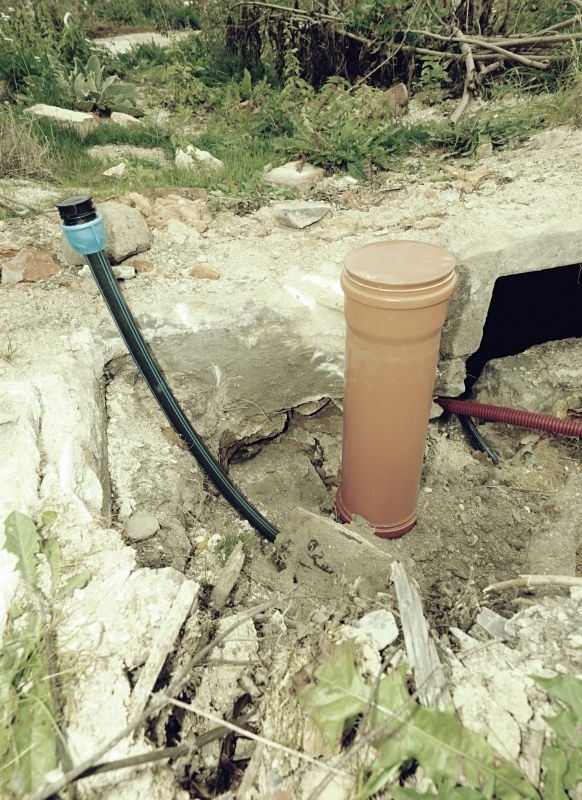
When comparing service providers for septic replacement or repair, it’s important to consider their experience with similar projects. Homeowners should look for local contractors who have a proven track record in addressing the most common septic problems homeowners face. This experience can provide insight into their familiarity with different system types and common issues, helping to ensure they understand what repairs or replacements might be necessary. Asking about past projects or seeking out references can help gauge whether a contractor has successfully handled situations similar to the homeowner’s current needs.
Clear written expectations are essential when working with septic service providers. Homeowners should seek detailed descriptions of the scope of work, including the steps involved in diagnosing and resolving septic issues. This clarity helps prevent misunderstandings and ensures that both parties are aligned on what the project entails. Reputable contractors are typically willing to provide written estimates or proposals that outline the work to be performed, materials to be used, and approximate timelines, making it easier for homeowners to compare options and make informed decisions.
Effective communication and reputable references are key factors when selecting local contractors for septic repairs or replacements. Homeowners should prioritize service providers known for transparent communication, responsiveness, and professionalism. Asking for references from previous clients can offer valuable insights into the contractor’s reliability and quality of work. A contractor who communicates clearly, responds promptly to questions, and provides trustworthy references can help ensure the project progresses smoothly and that the septic system’s issues are addressed thoroughly and accurately.
Property owners often search for the most common septic problems homeowners face when they are planning practical projects around their homes and businesses. Local pros provide Septic Replacement or Repair services for everyday jobs and straightforward project options.
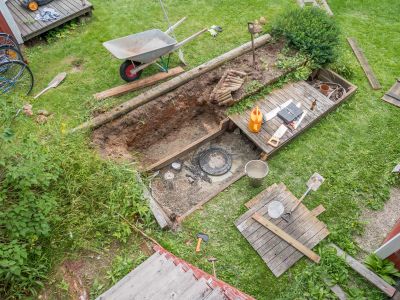
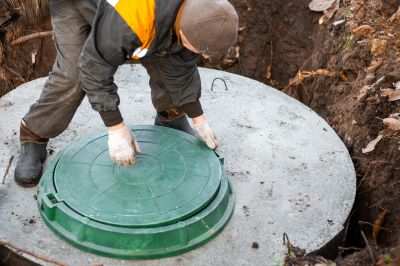
Homeowners in the area often encounter common septic problems that can disrupt daily routines and lead to more extensive repairs if not addressed promptly. Issues such as slow drains, unpleasant odors, or sewage backups are typical signs that the septic system may be failing or in need of repair. These problems can arise from simple causes like clogged pipes or more complex issues such as a failing drain field. When such signs appear, property owners frequently seek out local contractors who specialize in septic replacement or repair services to diagnose and resolve the problem efficiently.
Understanding the most common septic issues helps homeowners recognize when professional help is needed. For example, recurring backups or persistent odors often indicate that the septic tank needs cleaning or that parts of the system are damaged. Over time, systems may also experience deterioration that requires replacement. Local service providers are equipped to handle these situations, offering repair or replacement solutions tailored to the specific needs of each property. Connecting with experienced contractors ensures that septic problems are addressed correctly, minimizing the risk of future complications.
What are common signs of septic system problems? Homeowners often notice odors, slow drains, or sewage backups, which may indicate issues needing repair or replacement by local contractors.
How do clogs affect septic systems? Clogs can cause system backups and overflows, making repairs or replacements necessary to restore proper function with help from local service providers.
What causes septic system failures? Factors like improper waste disposal, tree roots, or aging components can lead to failures that require professional repair or replacement services.
Can tree roots damage a septic system? Yes, invasive roots can penetrate pipes and cause blockages or damage, often requiring intervention from local contractors to repair or replace affected parts.
Why is regular maintenance important for septic systems? Routine inspections and maintenance by local pros can prevent common problems, extending the lifespan of the system and avoiding costly repairs or replacements.
Understanding septic system warning signs - recognizing early indicators like backups or odors can prompt timely repairs with help from local contractors.
Addressing drain field issues - soil saturation or pooling may require septic replacement services to restore proper function.
Managing waste levels - avoiding overloading the system with excessive water or solids can prevent common septic problems and indicate when repairs are needed.
Regular inspections and maintenance - scheduling routine evaluations can help identify potential issues early and ensure the septic system operates smoothly.
If you are thinking about the most common septic problems homeowners face for a property, this guide is meant to help you understand this topic, the typical project types, and how different options might fit your plans.
When you are ready, you can use the quote form on this page to share a few details about your project. From there, local pros can review the basics and follow up with options that match what you have in mind.