Get Septic System Installation in Denver, CO
Septic system installation services help Denver-area property owners set up reliable waste management systems, solving issues like sewage backups and supporting new construction projects.
If you’re considering installing a new septic system on your property in Denver, CO, you’ve come to the right place. Property owners often explore septic system installation to ensure proper waste management, especially when connecting to municipal sewer lines isn’t an option or when building in rural or developing areas. Proper planning and choosing the right local contractors can help ensure the system meets your needs and complies with local regulations, making the process smoother and more straightforward.
Exploring your options for septic system installation involves comparing local service providers who understand the unique requirements of properties in Denver and surrounding communities. These experienced contractors can assist with site assessments, system design, and installation tailored to your property’s specifications. Keep reading to learn how connecting with qualified local experts can help you make informed decisions and find the right solutions for your property.
- Septic System Installation - needed when constructing a new home or property in areas without access to municipal sewer systems.
- Septic System Replacement - required when an existing system is failing or no longer functions properly in neighborhoods around Denver.
- Septic System Expansion - necessary for property additions or increased water usage in rural or suburban communities.
- Septic System Inspection and Assessment - useful for homeowners preparing to buy or sell a property in areas with older septic setups.
- Septic System Maintenance and Repairs - needed when experiencing backups, odors, or other issues indicating system trouble in local residential areas.
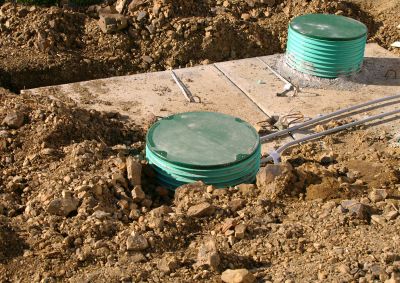
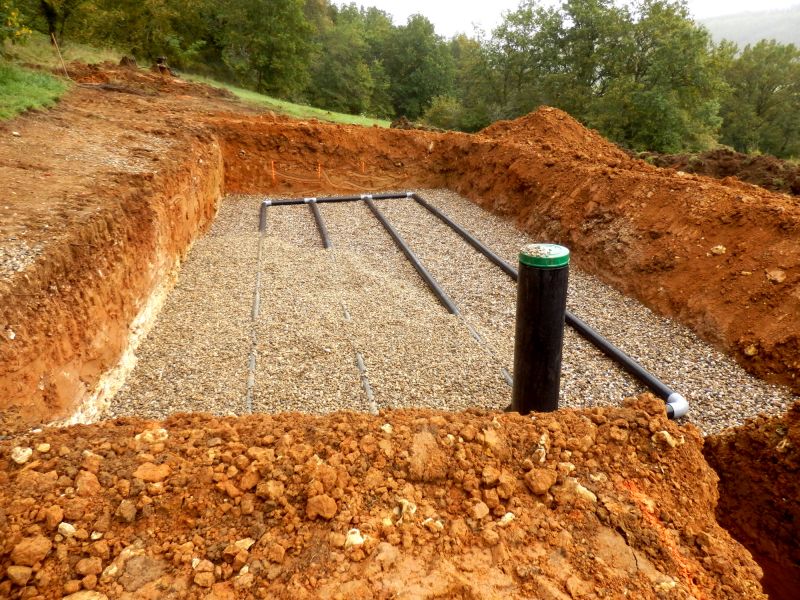
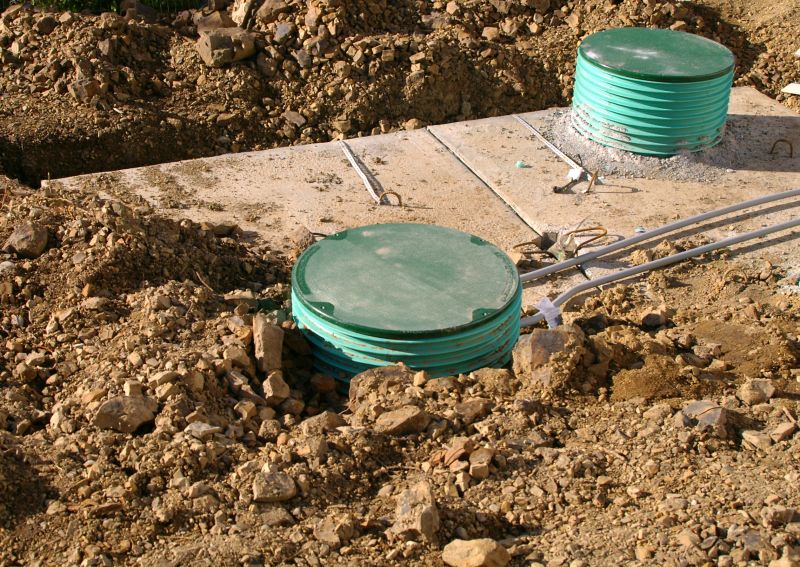
Septic system installation involves setting up a self-contained wastewater management system for properties that are not connected to municipal sewer lines. This process typically includes excavating the site, installing a septic tank, and setting up drain fields that safely disperse treated water into the soil. Proper installation ensures that household wastewater is handled efficiently and safely, preventing issues such as backups, odors, or groundwater contamination. Experienced local contractors can assess the property’s layout and soil conditions to recommend the most suitable system design, ensuring long-term functionality and compliance with local regulations.
Many property owners turn to septic system installation when building new homes in rural or semi-rural areas, where municipal sewer access is unavailable. It is also common for existing homeowners experiencing issues with their current septic setup to seek replacement or upgrades. Septic systems are particularly essential for properties with large lots or land that is not served by public sewer infrastructure. By installing a reliable septic system, homeowners can manage their wastewater needs effectively while avoiding the potential costs and disruptions associated with alternative waste disposal methods.
Septic system problems often stem from poor installation, aging components, or improper maintenance. Common issues include sewage backups, foul odors, slow drains, and pooling water around the drain field. These problems can lead to health hazards and costly repairs if not addressed promptly. Proper installation by qualified service providers helps prevent these issues from occurring in the first place, ensuring the system operates smoothly over time. Regular inspections and maintenance are also recommended to keep the system functioning efficiently and to identify potential problems early.
Properties that typically use septic systems include rural homes, farms, and properties with large acreage where municipal sewer connections are not practical or available. Smaller residential lots in suburban areas may also rely on septic systems if local infrastructure does not extend to the property. Local contractors who specialize in septic installation can evaluate the specific needs of each property, considering factors like soil type, land size, and usage patterns. Contacting experienced service providers can help ensure the septic system is properly designed and installed to meet the property's wastewater management needs effectively.
The overview below groups typical Septic System Installation projects into broad ranges so you can see how smaller, mid-sized, and larger jobs often compare in Denver, CO.
In many markets, a large share of routine jobs stays in the lower and middle ranges, while only a smaller percentage of projects moves into the highest bands when the work is more complex or site conditions are harder than average.
Smaller Repairs - Minor repairs or replacements of septic system components typically cost between $250 and $600. Many routine jobs fall within this range, especially for fixing leaks or replacing small parts. Larger or more complex repairs can push costs higher, but most projects stay in the lower to mid-range prices.
Septic System Installation - Installing a new septic system generally ranges from $3,000 to $7,000 depending on soil conditions and system size. Many standard installations in Denver-area homes are in the $4,000 to $6,000 range, with more elaborate setups reaching higher costs.
Full System Replacement - Replacing an entire septic system can cost between $6,000 and $15,000 or more. Larger, more complex projects with challenging site conditions tend to be at the higher end of this spectrum, while straightforward replacements are often closer to the mid-range.
Additional Costs - Factors like permits, site preparation, and system design can add $1,000 to $3,000 or more to the total. These additional expenses vary based on local regulations and property specifics, but many projects include these costs within the overall budget estimate.
Actual totals will depend on details like access to the work area, the scope of the project, and the materials selected, so use these as general starting points rather than exact figures.
Drain Field Installation - professionals who install drain fields for septic systems often have skills in site assessment, soil testing, and underground piping, similar to septic system installation.
Septic Tank Replacement - replacing or upgrading septic tanks requires knowledge of underground tank placement, plumbing connections, and site planning, aligning with septic system setup skills.
Leach Field Repair - repairing or maintaining leach fields involves excavation, soil evaluation, and drainage solutions, which are closely related to septic system installation techniques.
Septic System Maintenance - routine maintenance services require understanding of septic components, system troubleshooting, and preventative planning, paralleling installation processes.
Underground Plumbing Services - working with underground plumbing systems shares tools, planning, and excavation skills used in septic system installations.
Site Preparation for Utilities - preparing sites for utility installations involves excavation, soil assessment, and planning, similar to the groundwork needed for septic system projects.
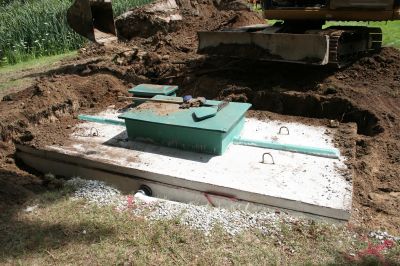
When evaluating contractors for septic system installation, it’s essential to consider their experience with projects similar to the one at hand. Homeowners should inquire about the types of systems they have installed in properties comparable to their own, especially in the Denver area or surrounding communities. An experienced service provider will be familiar with local soil conditions, regulations, and common site challenges, which can influence the success of the installation. Checking whether a contractor has completed comparable projects can help ensure they understand the specific requirements and complexities involved in septic system work within the local environment.
Clear, written expectations are a key part of selecting a reliable service provider. Homeowners should seek detailed proposals that outline the scope of work, materials to be used, and any relevant procedures or milestones. Having this information in writing helps prevent misunderstandings and provides a basis for comparing different contractors’ offerings. Reputable local contractors will be transparent about their process and willing to provide documentation that clarifies what services will be delivered, ensuring that expectations are aligned before any work begins.
Good communication and reputable references are vital when choosing a septic system installer. Homeowners are encouraged to ask potential service providers for references from past clients who had similar projects completed. Speaking with previous customers can provide insights into the contractor’s professionalism, reliability, and ability to handle unforeseen issues. Additionally, effective communication during the planning and installation process helps ensure that questions are answered promptly and concerns addressed, fostering a smoother experience. Remember, this site aims to connect homeowners with qualified local contractors who can handle the work, not to perform the installation directly.
Property owners in Denver, CO use Septic System Installation services for practical projects around their homes and businesses. This guide focuses on everyday jobs and straightforward project options.
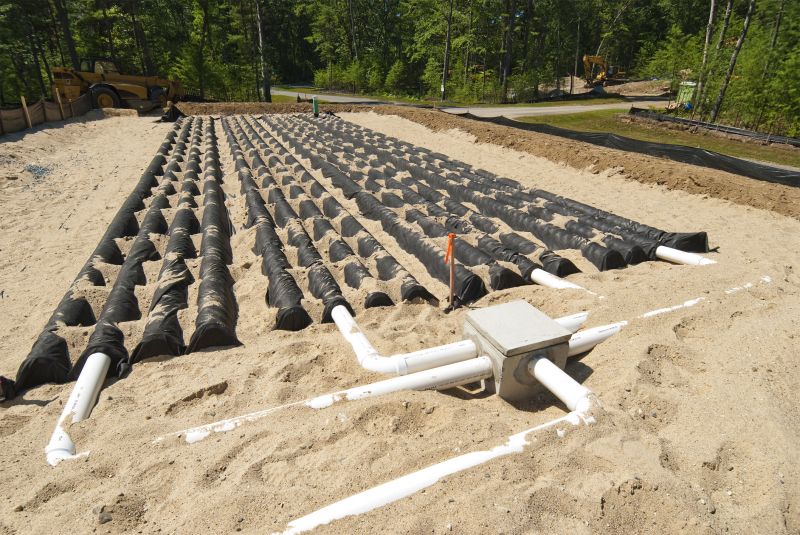
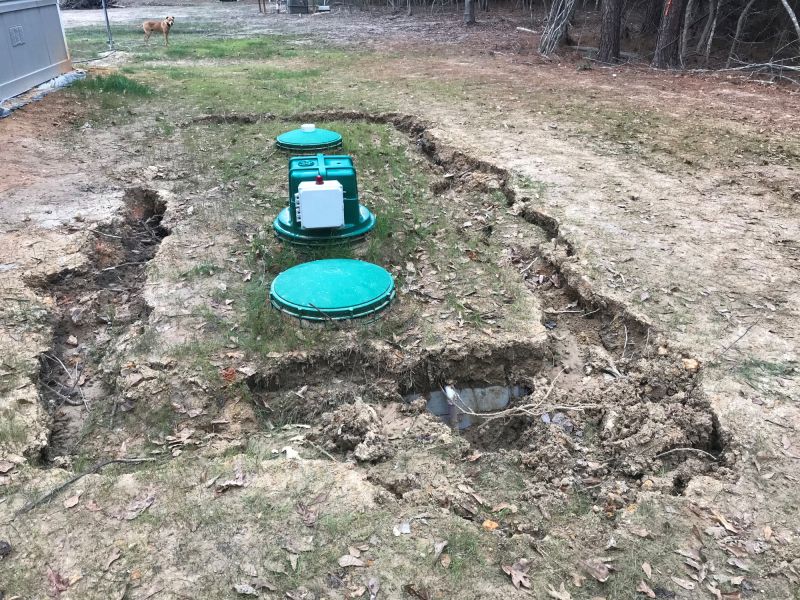
Septic system installation services are often needed when property owners in Denver, CO are building new homes or considering upgrades to existing systems. In areas where traditional sewer connections are unavailable or impractical, a reliable septic system becomes essential for proper waste management. Homeowners may seek local contractors to handle these projects when they notice signs of system failure, such as slow draining fixtures or unpleasant odors, or when planning for property improvements that require a functional septic setup.
In addition, property owners might look for septic installation services when expanding their property or adding new structures like guesthouses or garages that require independent waste disposal solutions. Local service providers can help ensure that septic systems are installed correctly to meet local regulations and accommodate the specific soil and terrain conditions of Denver. Connecting with experienced contractors can make the process smoother, providing peace of mind that the system will operate effectively for years to come.
What is involved in septic system installation? Septic system installation typically includes site assessment, designing a suitable system, and installing the components such as the septic tank and drain field by local contractors familiar with Denver area requirements.
How do I know if my property needs a new septic system? A professional evaluation by local service providers can determine if your current system is failing or if a new installation is necessary based on soil conditions and property size.
What types of septic systems are available for installation? There are various options including traditional gravity systems, aerobic treatment units, and alternative systems, with local contractors able to recommend suitable choices based on site specifics.
What steps are involved in preparing for septic system installation? Preparation may involve site clearing, soil testing, and obtaining permits, with local pros managing these steps to ensure proper setup for the installation process.
Are there regulations or permits required for septic system installation? Yes, local contractors are knowledgeable about Denver-area regulations and can assist with obtaining necessary permits for the installation process.
Septic System Installation Planning - Property owners can explore options for installing a septic system when building a new home or expanding existing facilities.
Site Assessment Services - Local contractors can evaluate land conditions to determine the best location and design for a septic system.
Permitting and Compliance Assistance - Homeowners can work with service providers to ensure septic system plans meet local regulations and requirements.
Design and Layout Ideas - Property owners can get advice on system placement that considers landscaping, accessibility, and future maintenance needs.
If you are thinking about Septic System Installation for a property in Denver, CO, this guide is meant to help you understand the work, the typical project types, and how different options might fit your plans.
When you are ready, you can use the quote form on this page to share a few details about your project. From there, local pros can review the basics and respond with options that match what you have in mind.