Get Septic System Installation in Denver County, CO
Septic system installation services help Denver County property owners solve wastewater management issues by installing or replacing septic tanks, drain fields, and related components.
Property owners in Denver County, CO, who are considering installing a new septic system often find themselves evaluating various local service providers to ensure the job is done correctly. Planning such a project involves understanding local regulations, soil conditions, and site-specific requirements, making it essential to compare options among experienced contractors in the area. By exploring local septic system installation services, property owners can gather valuable information to help inform their decisions and select the right professionals for their needs.
Whether upgrading an existing system or installing one on a new property, connecting with qualified local contractors can provide clarity and confidence throughout the planning process. These service providers are familiar with Denver County’s unique landscape and regulatory environment, which can influence the installation approach. Continuing to explore available options can help property owners make informed choices and find the support needed to successfully complete their septic system projects.
- Septic System Installation - needed when building a new home or expanding a property in neighborhoods around Denver County, CO.
- Septic System Replacement - required when existing systems fail or become inefficient in areas like Aurora or Lakewood.
- Septic System Upgrades - necessary for homes that need larger capacity or modernized components in nearby communities.
- Septic System Design - important for custom properties or unusual lot layouts in Denver’s residential areas.
- Septic System Troubleshooting - used when experiencing backups, odors, or drainage issues in local homes or commercial properties.
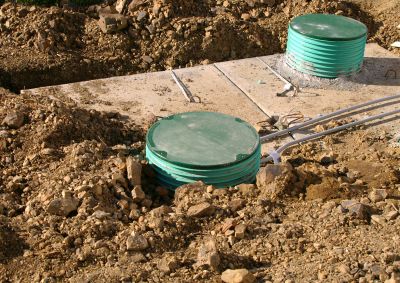
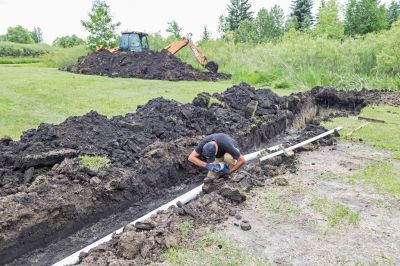
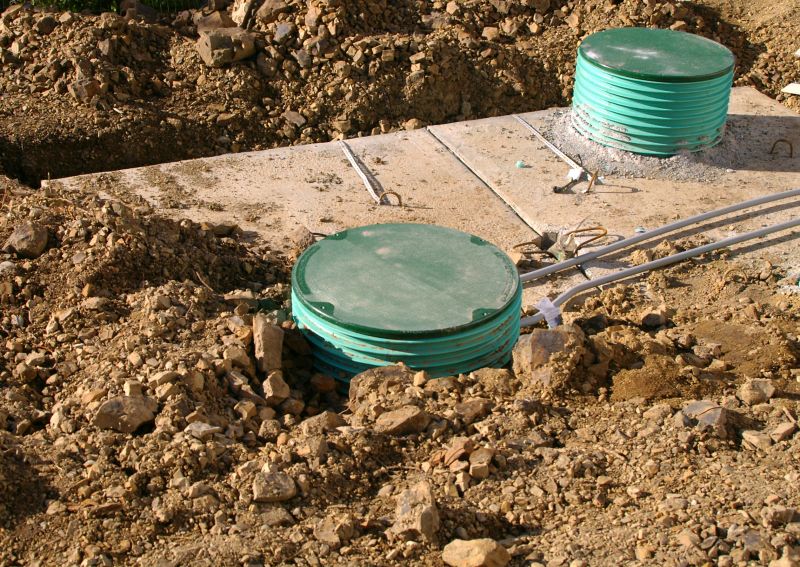
Septic system installation involves setting up a self-contained wastewater treatment system for properties that are not connected to municipal sewer lines. This process typically includes excavating the site, installing a septic tank, and connecting it to a network of pipes that direct wastewater from the building to the tank. Once in place, the septic tank separates solids from liquids, allowing the liquid effluent to be safely dispersed into a drain field. Professional contractors ensure that the system is properly designed and installed to meet local codes and property needs, providing a reliable solution for managing household wastewater independently.
This service helps address common problems associated with inadequate or aging wastewater systems, such as sewage backups, unpleasant odors, and groundwater contamination. Septic system installation is often necessary when building new homes in rural or suburban areas where municipal sewer access is unavailable. It can also be essential for properties where existing septic tanks are outdated, damaged, or failing, requiring replacement or upgrades to ensure proper function and compliance with health standards.
Properties that typically require septic system installation include rural residences, vacation homes, or properties on large plots of land where connecting to city sewer lines is impractical or cost-prohibitive. These systems are suitable for various types of homes, from single-family houses to small multi-unit dwellings, especially in areas where local regulations favor on-site wastewater management. Contractors experienced in septic installation can evaluate the property’s size, soil conditions, and usage needs to recommend the most appropriate system type and size.
Homeowners should consider septic system installation when planning new construction or experiencing issues with their current wastewater setup. Signs that a property may need a new or upgraded septic system include frequent backups, slow drains, or unexplained wet spots or lush patches of grass over the drain field area. By working with local service providers, homeowners can ensure that their property’s wastewater management is properly installed, functioning efficiently, and compliant with local health standards.
The overview below groups typical Septic System Installation projects into broad ranges so you can see how smaller, mid-sized, and larger jobs often compare in Denver County, CO.
In many markets, a large share of routine jobs stays in the lower and middle ranges, while only a smaller percentage of projects moves into the highest bands when the work is more complex or site conditions are harder than average.
Smaller Repairs - Typical costs for routine repairs or minor upgrades usually range from $250 to $600. Many projects fall within this middle band, covering common fixes or small component replacements. Fewer jobs reach the higher end of this range.
Standard Installation - Installing a new septic system generally costs between $3,000 and $7,000. Most homeowners find projects in this range, which covers standard systems for typical homes in Denver County and nearby areas. Larger or more complex setups can push costs higher.
Full System Replacement - Replacing an existing septic system often costs between $5,000 and $10,000. Many projects in this tier involve standard systems, but more extensive replacements with additional features can reach $12,000 or more.
Large or Custom Projects - Larger, more complex septic installations or systems with specialized features can exceed $15,000. These projects are less common and typically involve unique site conditions or high-capacity systems for larger properties.
Actual totals will depend on details like access to the work area, the scope of the project, and the materials selected, so use these as general starting points rather than exact figures.
Drain Field Installation - involves planning and installing underground drainage systems, requiring similar site assessment and excavation skills as septic system setups.
Soil Testing and Site Assessment - requires evaluating soil conditions and site planning to ensure proper functioning of septic systems, aligning with the expertise of local contractors.
Water Line Installation - includes trenching and pipe installation skills that are often used in septic system connections and related plumbing work.
Stormwater Drainage Systems - involves designing and installing drainage solutions that manage water flow, paralleling the skills used in septic system groundwork.
Leach Field Repair and Maintenance - focuses on restoring and maintaining existing septic drain fields, utilizing similar troubleshooting and excavation techniques.
Underground Utility Excavation - encompasses trenching and excavation work needed for septic system components and other underground infrastructure projects.
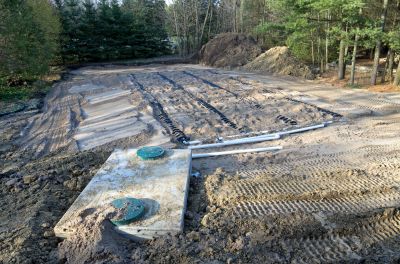
When comparing contractors for septic system installation, it’s important to consider their experience with similar projects in the Denver County area or nearby communities. A contractor’s familiarity with local soil conditions, regulations, and common site challenges can influence the quality and longevity of the system. Homeowners should inquire about the types of systems the service providers have installed in the past and whether they have worked on properties similar in size and layout. This helps ensure that the selected contractor understands the specific requirements of the local environment and can deliver results that meet expectations.
Clear, written expectations are essential when choosing a septic system installer. Homeowners should seek detailed proposals that outline the scope of work, materials to be used, and the responsibilities of each party. Having this information in writing helps prevent misunderstandings and provides a basis for comparing different service providers. It’s also beneficial to ask for a timeline for the project and any warranties or guarantees offered. Well-documented expectations contribute to a smoother installation process and provide peace of mind that the project will be handled professionally.
Reputable references and effective communication are key indicators of a reliable service provider. Homeowners can ask potential contractors for references from previous clients who have had similar work done. Contacting these references can provide insights into the contractor’s professionalism, quality of work, and ability to stay on schedule. Additionally, good communication throughout the process-such as prompt responses to questions and clear explanations of procedures-helps ensure that homeowners are informed and comfortable at every stage. Connecting with local service providers who prioritize transparency and responsiveness can lead to a more positive septic installation experience.
Property owners in Denver County, CO use Septic System Installation services for practical projects around their homes and businesses. This guide focuses on everyday jobs and straightforward project options.
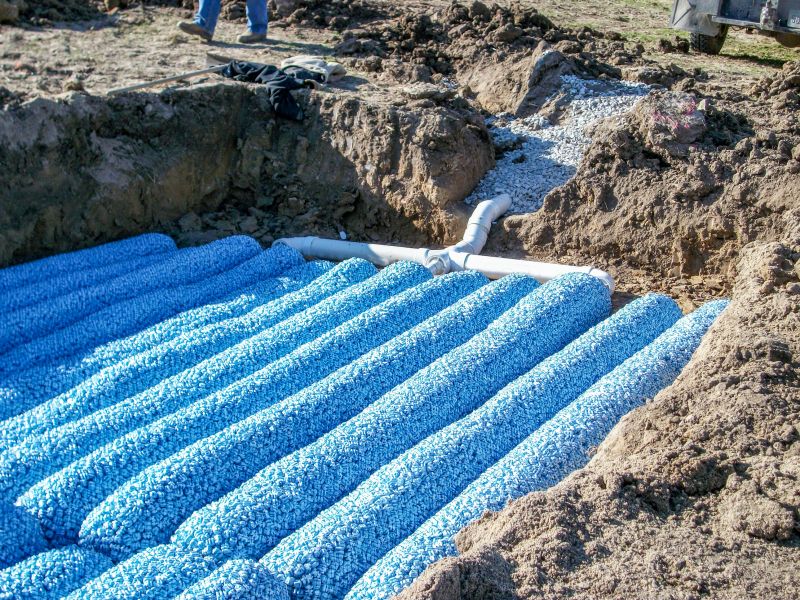
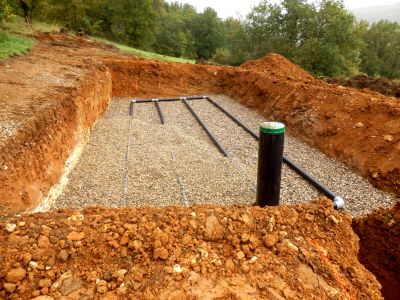
Septic system installation services are often needed when property owners in Denver County, CO, are building new homes, adding onto existing structures, or replacing outdated systems. Homeowners may notice issues like slow drains, unpleasant odors, or sewage backups that suggest their current setup isn’t functioning properly. In these situations, local contractors can provide the expertise needed to design and install a septic system that meets the property’s specific needs, ensuring proper waste management and compliance with local regulations.
Additionally, property owners might seek septic installation services during property renovations or when purchasing land that requires a new waste management solution. Rural or semi-rural properties without access to municipal sewer lines often rely on septic systems as a practical and necessary option. In these cases, local service providers can assist with the installation process, helping ensure the system is correctly set up to handle household waste efficiently and reliably.
What is involved in septic system installation? Septic system installation typically includes site evaluation, system design, excavation, and setup of the septic tank and drain field by local contractors experienced in the process.
How do I know if my property needs a new septic system? A professional assessment by local service providers can determine if your current septic system is failing or if a new installation is necessary based on soil conditions and property size.
What types of septic systems are available for installation? There are various options such as conventional septic tanks, mound systems, and alternative systems, with local contractors able to recommend suitable choices based on site-specific factors.
What permits are required for septic system installation? Local regulations typically require permits for septic system installation, which are handled by experienced service providers familiar with Denver County and nearby area requirements.
What should I consider before installing a septic system? Factors like property size, soil type, and usage needs are important to evaluate, and local contractors can provide guidance tailored to your specific location and conditions.
Septic System Installation Planning - Property owners can explore options for installing a new septic system to support a home addition or renovation project.
Site Preparation Strategies - Homeowners may work with local contractors to prepare their land for septic system installation, ensuring proper drainage and accessibility.
Regulation Compliance Guidance - Property owners can seek assistance in understanding local codes and permits required for septic system installation in Denver County, CO.
System Design Ideas - Property owners might consider different septic system designs to accommodate future property use or landscaping plans.
If you are thinking about Septic System Installation for a property in Denver County, CO, this guide is meant to help you understand the work, the typical project types, and how different options might fit your plans.
When you are ready, you can use the quote form on this page to share a few details about your project. From there, local pros can review the basics and respond with options that match what you have in mind.