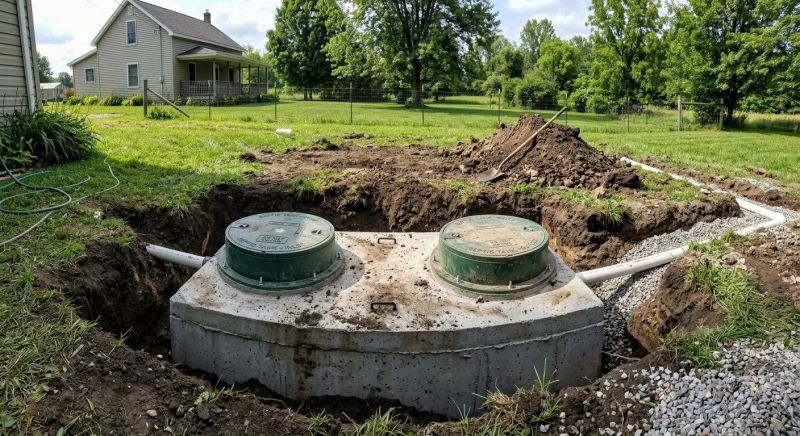
Septic Tank Replacement in Denver, CO
Septic tank replacement services involve removing an existing septic system and installing a new tank to ensure proper waste management for residential properties. This process is typically necessary when a septic tank has reached the end of its lifespan, becomes damaged, or no longer functions efficiently. Projects can range from replacing aging tanks to upgrading systems to meet current standards or accommodate increased household size. Property owners often want to understand the signs indicating a replacement is needed, such as persistent backups, foul odors, or frequent system failures, as well as what the installation process entails and how it may impact their property.
Before requesting septic tank replacement, homeowners usually seek information about the size and type of tank suitable for their property, as well as the overall scope of the project. It’s important to consider factors like local regulations, soil conditions, and property layout to ensure the new system will operate effectively. Property owners should also inquire about the necessary permits, potential disruptions during installation, and maintenance requirements for the new tank to ensure long-term functionality and compliance with local standards.
Many property owners in Denver, CO look into Septic Tank Replacement for repairs, replacements, upgrades, and appearance-related improvements.
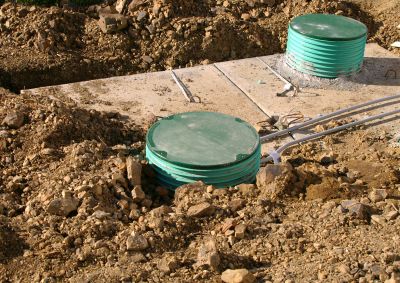
Septic Tank Replacement Options
Choosing the right replacement ensures reliable wastewater management for residential properties.
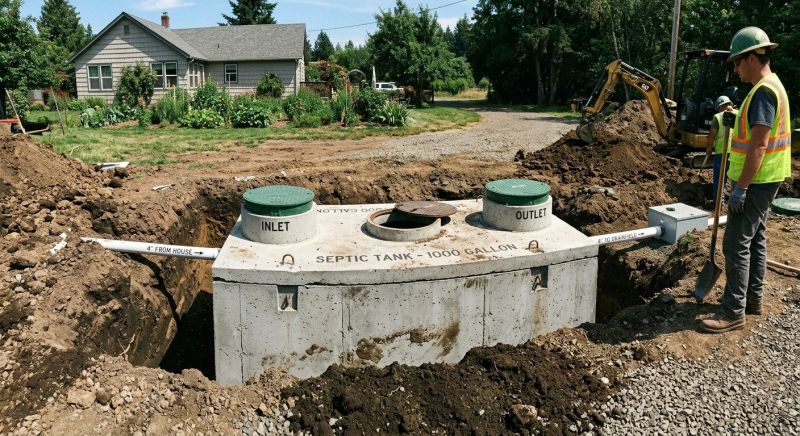
Signs You Need A New Septic System
Indicators like odors, backups, or slow drains can signal the need for septic tank replacement.
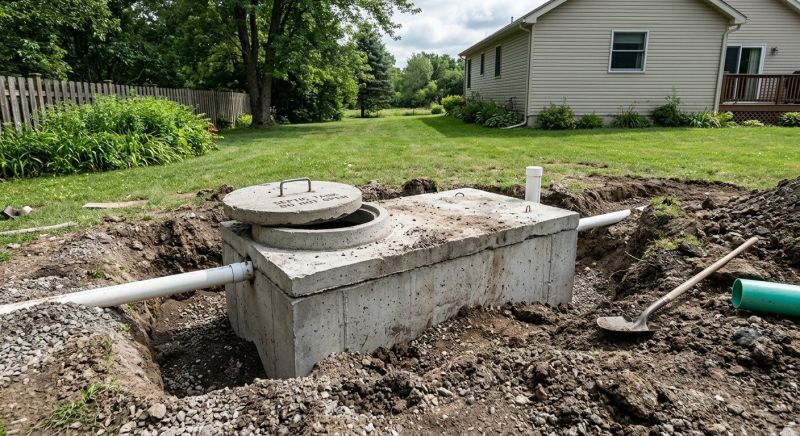
Benefits Of Modern Septic Systems
Upgrading to a new septic tank can improve system efficiency and reduce maintenance concerns for homeowners in denver, co.
Septic Tank Replacement in Denver, CO

Septic tank replacement services involve removing an existing septic system and installing a new tank to ensure proper waste management for residential properties. This process is typically necessary when a septic tank has reached the end of its lifespan, becomes damaged, or no longer functions efficiently. Projects can range from replacing aging tanks to upgrading systems to meet current standards or accommodate increased household size. Property owners often want to understand the signs indicating a replacement is needed, such as persistent backups, foul odors, or frequent system failures, as well as what the installation process entails and how it may impact their property.
Before requesting septic tank replacement, homeowners usually seek information about the size and type of tank suitable for their property, as well as the overall scope of the project. It’s important to consider factors like local regulations, soil conditions, and property layout to ensure the new system will operate effectively. Property owners should also inquire about the necessary permits, potential disruptions during installation, and maintenance requirements for the new tank to ensure long-term functionality and compliance with local standards.
Many property owners in Denver, CO look into Septic Tank Replacement for repairs, replacements, upgrades, and appearance-related improvements.
Common Septic Tank Replacement Jobs
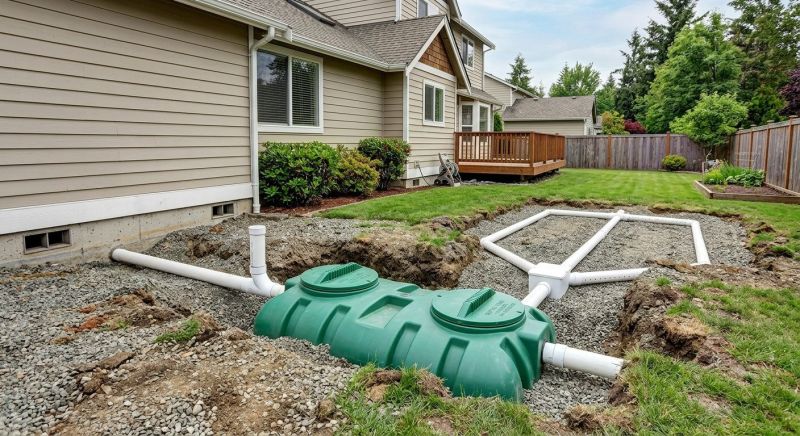
Septic Tank Replacement - involves removing an old tank and installing a new system to ensure proper waste management.
Septic Tank Upgrades - replaces outdated or damaged tanks to improve system efficiency and reliability.
Septic System Modernization - updates existing septic setups to meet current standards and property needs.
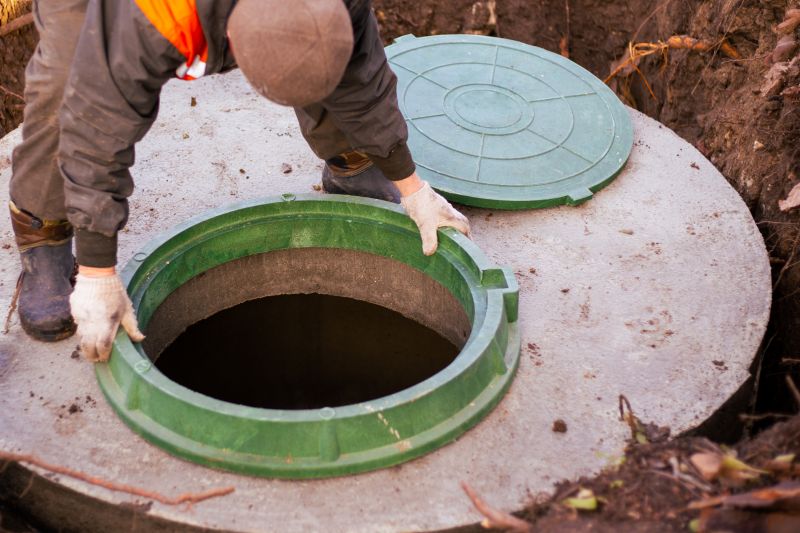
Septic Tank Removal - safely removes outdated or failed tanks to prepare for new installation.
Septic Tank Replacement for New Construction - installs new septic systems for residential or commercial building projects.
Septic Tank Replacement for System Failures - replaces tanks that are leaking, overflowing, or no longer functioning properly.
Septic Tank Replacement Questions
What signs indicate a septic tank needs replacement? Signs include persistent odors, backups, standing water near the tank, or slow drains across the property.
How does a property owner know when to replace a septic tank? Replacement is recommended if the tank is severely damaged, corroded, or unable to function properly after repairs.
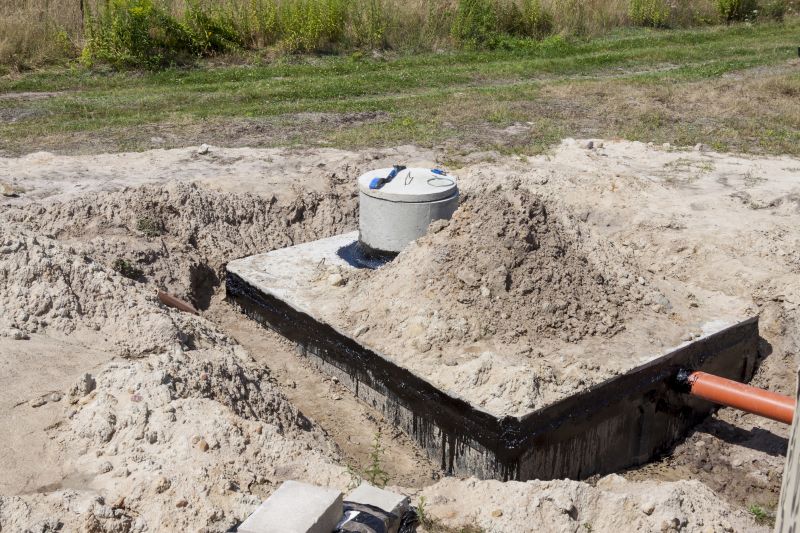
What types of septic tanks are available for replacement? Options include concrete, plastic, and fiberglass tanks, chosen based on property needs and soil conditions.
What should property owners consider before replacing a septic tank? Considerations include tank size, location, and future maintenance needs to ensure proper system functioning.
Request Septic Tank Replacement in Denver, CO
Use the quote form on this page to share the basics of your project and request more information for the type of work you need.