
Favorite Products For Septic System Installation To Enhance Durability And Efficiency
Discover trusted products that improve the longevity and effectiveness of your septic system installation.
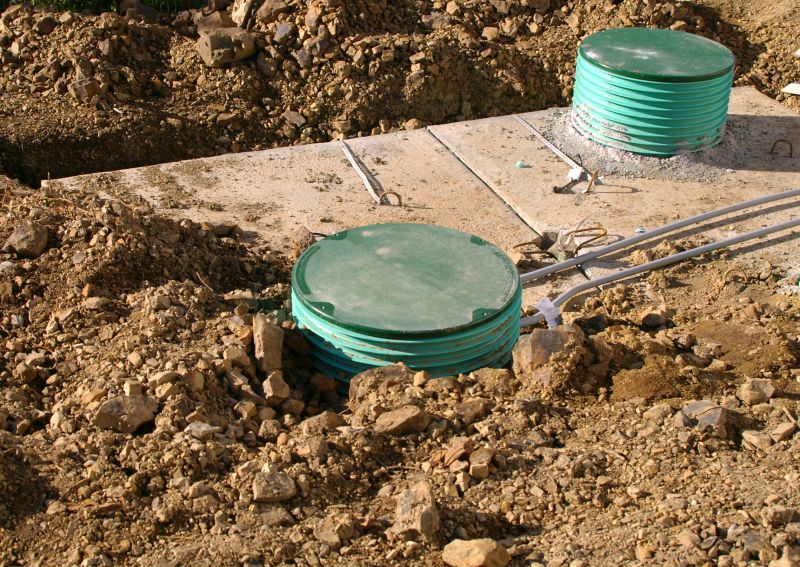 Installing a septic system involves selecting the right components to ensure proper waste management and system longevity. Essential products include septic tanks, distribution boxes, pipes, and various fittings designed to withstand underground conditions. The choice of materials and specifications can impact the system's performance and maintenance needs. It's important to understand the different types of products available to match your installation requirements and site conditions.
Top Overall Option
Septic Tank System Kit
A comprehensive septic tank system kit typically includes a durable tank, necessary fittings, piping, and installation accessories. These kits are designed to streamline the setup process, providing all essential components in one package. They are suitable for various household sizes and site conditions, offering a reliable foundation for septic system installation.
Types of Products For Septic System Installations
Septic Tanks
Available in concrete, plastic, or fiberglass, septic tanks serve as the primary waste containment units in a septic system.
Distribution Boxes
These help evenly distribute effluent across the drain field, promoting system efficiency.
Effluent Filters
Installed at the outlet of the septic tank, these filters prevent solids from entering the drain field.
Septic Pipes
PVC or ABS pipes designed for underground waste transport, available in various diameters and lengths.
Inspection Ports
Access points for inspecting and maintaining the septic tank and system components.
Vent Pipes
Venting components that allow gases to escape, preventing pressure buildup.
Septic Tank Risers
Extensions that elevate access points above ground for easier maintenance.
Cleanouts
Fittings that provide convenient access points for clearing blockages.
Drain Field Gravel
Aggregate material used in the drain field to facilitate effluent distribution.
Septic Alarms
Monitoring devices that alert homeowners to potential system malfunctions or backups.
Septic Tank Baffles
Internal components that prevent solids from exiting the tank and clogging the drain field.
Pump Tanks
Used in systems requiring pumped effluent movement, especially in challenging terrain.
Filter Socks
Protect pipes and drain fields from debris and solids ingress.
Septic System Accessories
Additional fittings, clamps, and adapters to ensure proper installation and maintenance.
Popular Choices
A variety of septic tanks in different sizes and materials are commonly used for residential systems.
Widely selected for effective effluent distribution in various drain field setups.
Popular for preventing solids from entering the drain field and reducing maintenance.
Commonly used for underground waste transport due to durability and ease of installation.
Increasingly chosen for convenient access to septic tanks for inspection and servicing.
Trending for system monitoring and early warning of potential issues.
Popular for facilitating maintenance and system checks.
Frequently used in drain field construction to aid in effluent dispersion.
Commonly installed to provide access for clearing blockages and maintenance.
Often selected to improve tank performance and protect the drain field.
Chosen for systems requiring pumped effluent, especially in sloped or challenging terrains.
Popular for protecting system components from debris and solids.
Septic tanks are the core component of any system, serving as the primary chamber where waste is collected and partially treated. They come in various sizes and materials, including concrete, plastic, and fiberglass, each with its own benefits and considerations. Properly selected tanks should be durable, resistant to corrosion, and suitable for the expected household size and usage.
Piping and fittings are equally critical, ensuring waste flows efficiently from the household to the septic tank and from the tank to the drain field. Specialty fittings like inspection ports, cleanouts, and venting components facilitate maintenance and troubleshooting. Distribution boxes help evenly disperse effluent across the drain field, preventing overloading and promoting effective treatment.
Additional products such as effluent filters, risers, and alarms can enhance system monitoring and maintenance. Selecting compatible components and understanding their specifications can help prevent common issues such as clogging, leaks, or system failure. Proper installation and quality products are vital for a septic system's reliable operation over time.
Key Buying Considerations
- System size and household waste volume to determine tank capacity.
- Material durability and resistance to underground corrosion or damage.
- Compatibility of piping and fittings with existing or planned system components.
- Ease of access for maintenance, including the use of risers and inspection ports.
- Local building codes and regulations governing septic system components.
- Ease of installation and availability of professional services if needed.
- Material options that suit soil conditions and site-specific requirements.
- Availability of replacement parts and system accessories.
- Features such as alarms or monitoring devices for system oversight.
- Cost considerations balanced with quality and durability.
- Environmental conditions that may influence material choice or system design.
- Compatibility with drain field design and effluent dispersal methods.
- Ease of transportation and handling during installation.
- Brand reputation and product warranties for peace of mind.
- Future expansion possibilities or system modifications.